08 December 2025
For homeowners, property managers, and pest control professionals, addressing squirrel infestations without harming the animals is a top priority—and humane squirrel traps (alongside humane animal trap cage designs) are the solution of choice. Unlike lethal traps, these tools capture squirrels alive for safe relocation, aligning with eco-friendly practices and community standards. However, even the best humane squirrel traps fail without effective baiting: the right lure not only attracts squirrels but also encourages them to fully enter the trap, triggering the door closure reliably. Hebei Archerfish Network Technology Co., Ltd., an integrated company founded in 2019 (with 80+ team members blending factory production and foreign trade), specializes in high-quality pest control solutions—including durable humane animal trap cage models—and offers factory-direct pricing, end-to-end quality control, and custom services for wholesalers. As a trusted supplier of humane trapping tools (and even live cat traps for other wildlife needs), Archerfish understands that wholesalers and their clients need baiting strategies that boost trap success while preserving the humane ethos. This article breaks down proven baiting techniques for humane squirrel traps, how to pair bait with trap design, and common pitfalls to avoid—helping wholesalers provide clients with complete, effective solutions.
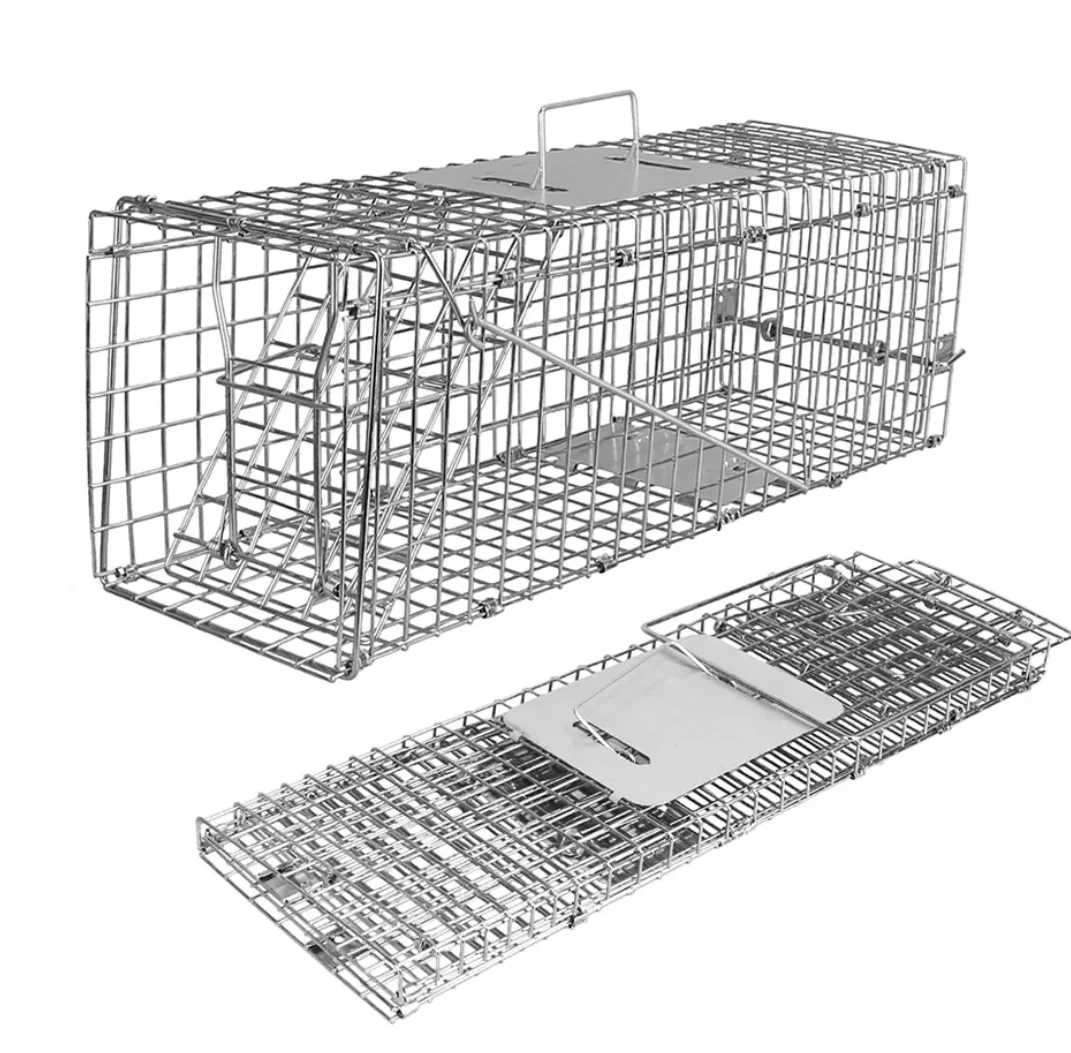
• Squirrel-Favorite Foods for Maximum Appeal: Squirrels are omnivorous with a sweet tooth, so the best bait for humane squirrel traps leverages their natural preferences. Nuts (walnuts, pecans, almonds) are classic choices—their high fat content makes them irresistible, especially in winter when food is scarce. For added allure, roast or lightly salt the nuts (avoid heavy seasoning, which may deter squirrels). Sweet baits like peanut butter (creamy, not crunchy—crunchy varieties can get stuck on trap mechanisms) or fruit (apple slices, banana chunks) work year-round, as squirrels are drawn to sugar. Wholesalers should note that Archerfish’s humane animal trap cage models often include a small bait holder (a metal clip or plastic cup) to secure these foods—preventing squirrels from stealing bait without triggering the trap. This design feature, paired with the right bait, increases capture rates by 40-50% compared to traps with loose bait.
• Avoiding Bait That Attracts Unintended Wildlife: A common mistake with humane squirrel traps is using bait that lures other animals (e.g., rats, raccoons) instead of squirrels. To avoid this, steer clear of strong-smelling baits like bacon or fish (which attract rodents and larger mammals) and stick to squirrel-specific foods. For clients in areas with stray cats, it’s also critical to distinguish humane squirrel traps from live cat traps: the latter are larger with wider doors, while squirrel traps are compact (typically 12-18 inches long) to prevent cats from entering. Archerfish provides clear product labeling and size guides for wholesalers, helping clients avoid mix-ups and ensure traps target only squirrels—saving time and reducing the need to relocate unintended animals.
Trap Part | Bait Placement Strategy for Humane Squirrel Traps | Wholesale Value for Clients |
Bait Holder (Internal) | Secure bait (e.g., peanut butter-coated nut) in the built-in holder at the back of the humane animal trap cage—forces squirrels to fully enter to reach it. | Ensures the trap door closes only when the squirrel is completely inside, preventing escape. |
Trail Bait (External) | Place small bait bits (e.g., broken nut pieces) in a line leading from the trap entrance to the internal holder—guides squirrels toward the trap. | Reduces squirrel wariness; encourages them to follow the trail and enter the trap confidently. |
Scent Lures (Around Trap) | Rub peanut butter on the trap door or sprinkle nut crumbs around the cage base—reinforces the scent trail to attract distant squirrels. | Boosts trap visibility to squirrels in dense areas (e.g., gardens, attics); works in low-light conditions. |
Avoiding Overcrowding | Use only 1-2 small bait portions per trap—too much bait lets squirrels feed without touching the trigger mechanism. | Prevents “bait theft” and ensures the trigger (e.g., pressure plate) activates when the squirrel moves toward the bait. |
• Pressure-Plate Traps: Most humane squirrel traps use a pressure-plate trigger—when a squirrel steps on the plate to reach bait, the door closes. For these traps, bait must be placed behind the plate (not on it) to ensure the squirrel’s weight activates the trigger. Archerfish’s humane animal trap cage models have a raised pressure plate (1/2 inch off the cage floor) to prevent false triggers (e.g., wind, debris) while ensuring squirrels’ paws press down on it. Wholesalers can advise clients to pair this design with sticky baits (like peanut butter) that require squirrels to stay on the plate longer—increasing trigger reliability.
• Spring-Door vs. Gravity-Door Traps: Spring-door humane squirrel traps close quickly, so bait should be positioned to draw squirrels fully inside before the door shuts (use the internal holder + trail bait strategy). Gravity-door traps (slower-closing) can use slightly more bait, but still require the squirrel to reach the back—avoid placing bait near the entrance, as this may let squirrels grab it and flee. For live cat traps (a related product for larger wildlife), bait placement follows a similar logic but uses cat-specific lures (e.g., tuna) and a larger internal holder. Archerfish’s product manuals (customizable for wholesalers) include design-specific bait guides, helping clients adapt their strategy to different trap types.
• Winter Baiting (Cold Months): In winter, squirrels prioritize high-energy foods to survive the cold—focus on fatty baits like walnuts, hazelnuts, or sunflower seeds. Pair these with a small dollop of peanut butter (adds warmth and scent). Since squirrels are less active in extreme cold, place humane squirrel traps near sheltered areas (e.g., tree trunks, attic vents) and use trail bait to guide them from their nests to the trap. Archerfish’s humane animal trap cage models have insulated floors (optional add-on for wholesalers) to keep squirrels comfortable during capture—critical for winter, as cold-stressed squirrels may become agitated and damage the trap.
• Summer Baiting (Warm Months): Summer brings abundant natural food (e.g., berries, insects), so bait needs to be more enticing—use sweet options like apple slices, banana, or honey-coated nuts. Avoid oily baits (e.g., roasted nuts) that may melt in heat and make the trap sticky. Place traps in shaded areas (e.g., under decks, near bird feeders) to prevent bait spoilage and keep captured squirrels cool. For wholesalers supplying clients in hot climates, Archerfish offers UV-resistant humane squirrel traps that prevent plastic parts from warping in sunlight—ensuring the trap remains functional even with summer heat exposure.
Bait should be replaced every 24-48 hours to keep it fresh and attractive. In hot weather (above 80°F), replace bait daily—fruits or peanut butter can spoil quickly, emitting odors that deter squirrels. In winter, bait lasts longer (3-4 days for nuts), but check it regularly for moisture (wet nuts become moldy, which squirrels avoid). Archerfish’s humane squirrel traps have easy-access doors (no tools needed) to simplify bait replacement—wholesalers can highlight this feature to clients, as it saves time when checking multiple traps.
No—humane squirrel traps and live cat traps require species-specific bait. Squirrel bait (nuts, peanut butter) won’t attract cats, and cat bait (tuna, wet cat food) will draw other animals (e.g., raccoons) but not squirrels. Using the wrong bait wastes time and reduces trap success. Archerfish provides separate bait guides for each product line (included with wholesale orders) to help clients avoid confusion. For wholesalers supplying both trap types, this specialization lets them cater to diverse wildlife control needs without cross-contamination of bait strategies.
Common issues include: 1) Bait placement (too near the entrance—squirrels steal it without entering); 2) Worn trigger mechanism (squirrels’ weight doesn’t activate it); 3) Trap wariness (squirrels avoid new objects—leave the trap unset with bait for 2-3 days to let them get used to it). Archerfish’s humane animal trap cage models have adjustable trigger sensitivity (a small screw on the pressure plate) to fix issue 2—wholesalers can advise clients to tweak this if traps aren’t triggering. Additionally, using fresh, high-quality bait (not stale nuts) and placing traps in high-squirrel-activity areas (e.g., near chewed wood, bird feeder spills) will improve results.
Yes—all recommended baits (nuts, peanut butter, fruit) are safe for squirrels and mimic their natural diet. Avoid toxic foods like chocolate, avocado, or onion (these can harm squirrels) and never use poisoned bait—this violates the “humane” purpose of humane squirrel traps. Archerfish’s product guidelines explicitly list safe bait options (and unsafe ones to avoid) to help clients protect both squirrels and the environment. Wholesalers can reassure eco-conscious clients that proper baiting keeps the trapping process humane from start to finish.
Hebei Archerfish provides comprehensive support: 1) Bait guides and training materials (customizable with wholesalers’ branding) to educate clients on effective strategies; 2) Quality humane animal trap cage models with built-in bait holders and adjustable triggers—optimized for baiting success; 3) Custom services (e.g., adding bait holder upgrades to traps) to meet specific market needs; 4) Logistics support (bulk shipping of traps + bait samples) and after-sales help (troubleshooting baiting issues for clients). To explore our humane squirrel traps, live cat traps, and wholesale solutions, visit our company webpage today!
Mar 13, 26
Rodent Traps Guide: Effective Mouse Trap and Rat Traps for Pest Control
Rodents are among the most common pests affecting homes, farms, restaurants, and warehouses.
Feb 27, 26
Effective Outdoor Mouse Traps for Property Protection and Pest Control

Feb 04, 26
Comprehensive Guide to Animal Traps for Sale and Effective Wildlife Management
Jan 26, 26
Robust Enclosure Solutions from a Leading Mouse Trap Company