22 December 2025
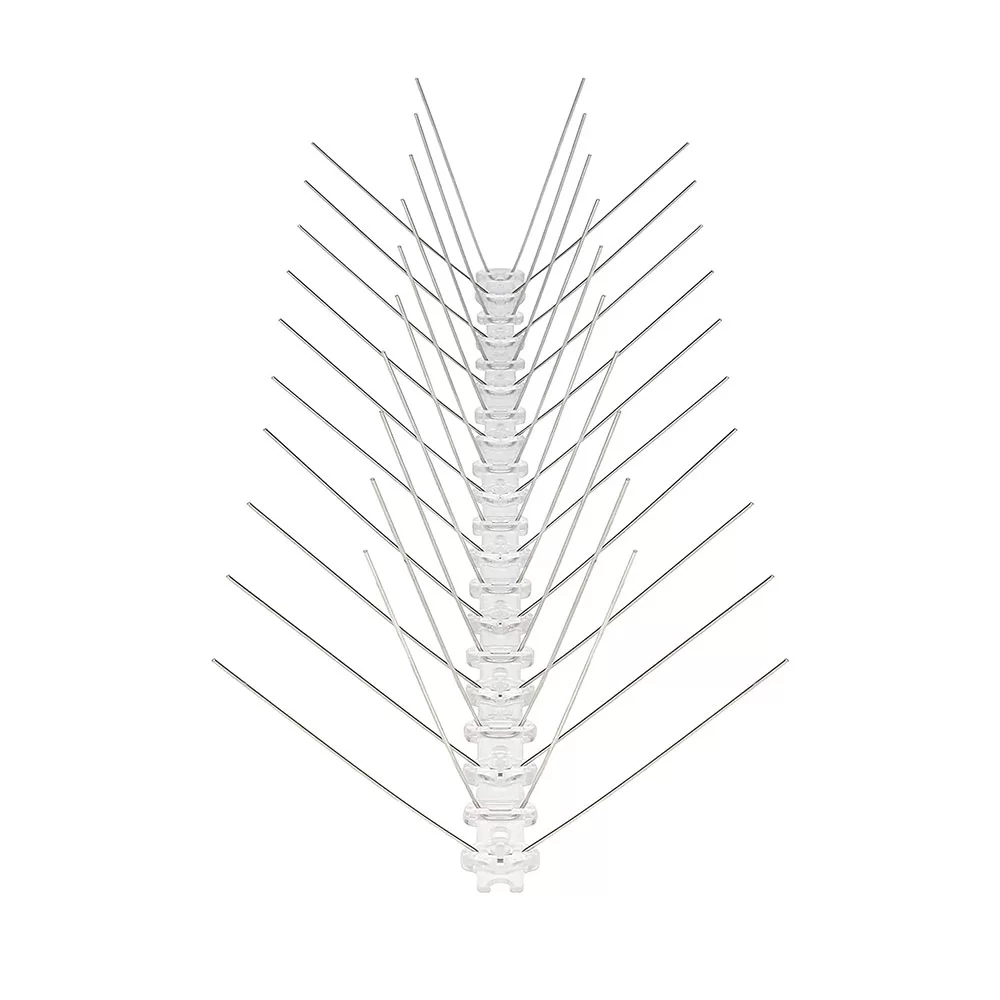
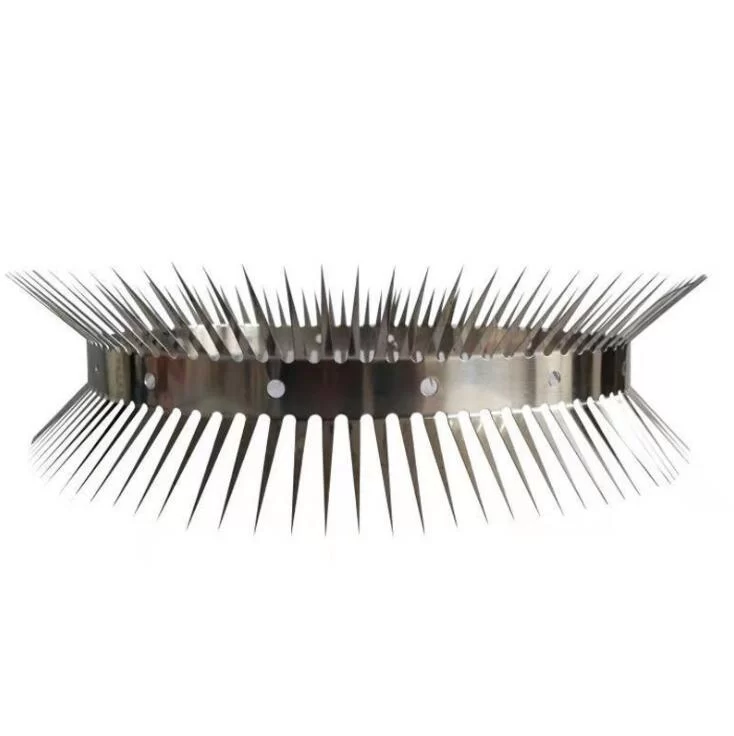
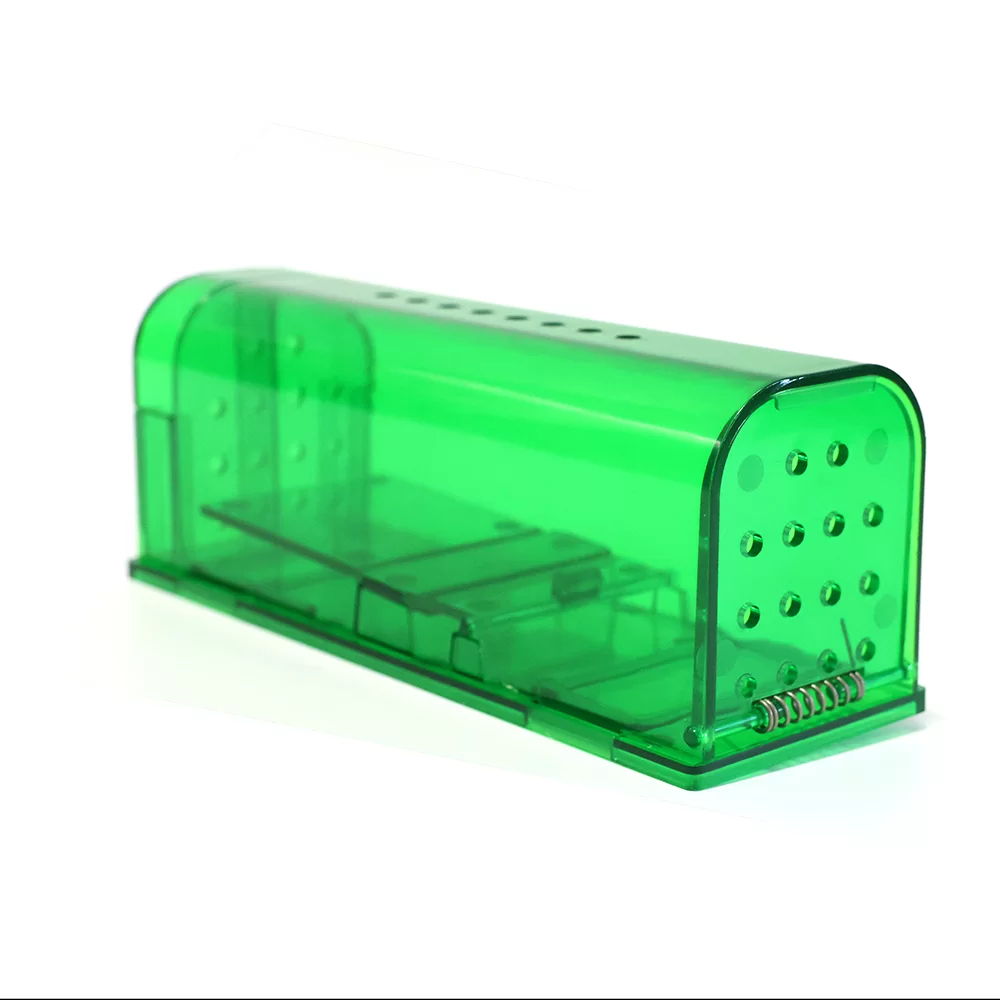
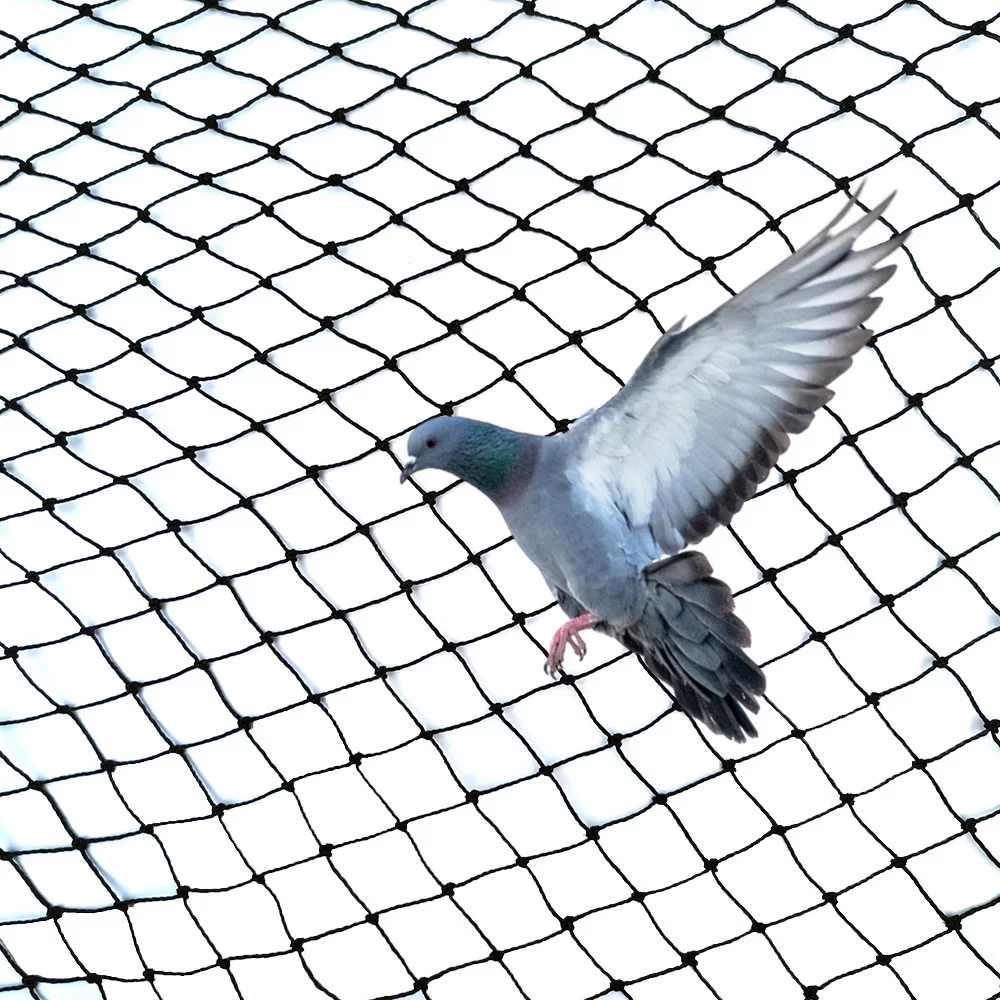
Pigeon infestation on residential and commercial balconies often leads to problems such as fecal pollution, property damage, and disease transmission, making balcony spikes pigeon and related bird control products essential for maintaining a clean and safe environment. Bird netting and spikes are effective and humane solutions to keep birds away from unwanted areas such as balconies, rooftops, warehouses, and gardens. For customers looking for bird netting for sale, we provide durable, UV-resistant nets that act as an invisible barrier to stop pigeons and other birds from entering spaces. In addition, pigeon nets and spikes are commonly used in residential and commercial buildings to prevent birds from perching or nesting on ledges, pipes, and solar panels. Our bird mesh is lightweight yet strong, suitable for both indoor and outdoor installations. Hebei Archerfish Network Technology Co., Ltd., founded in 2019, is an 80-strong integrated company combining factory production and foreign trade. Our core products cover pest control solutions (mouse traps, glue boards, cages, bird spikes, snake tongs, anti-climb spikes, etc.) and household items, and we focus on optimizing the galvanizing process of bird mesh and balcony pigeon spikes to enhance their outdoor durability—ensuring our products withstand rain, humidity, and UV radiation for long-term use.
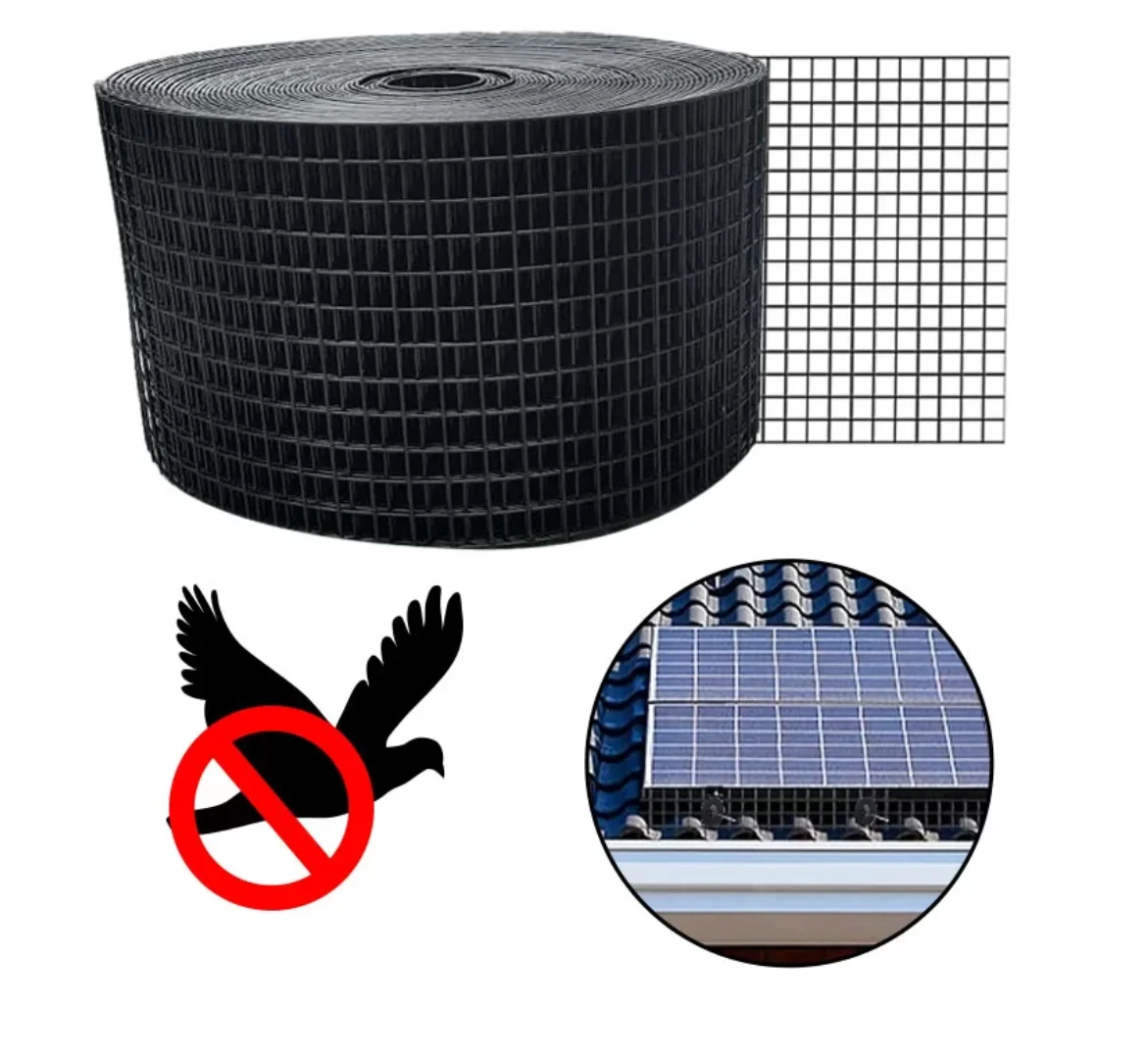
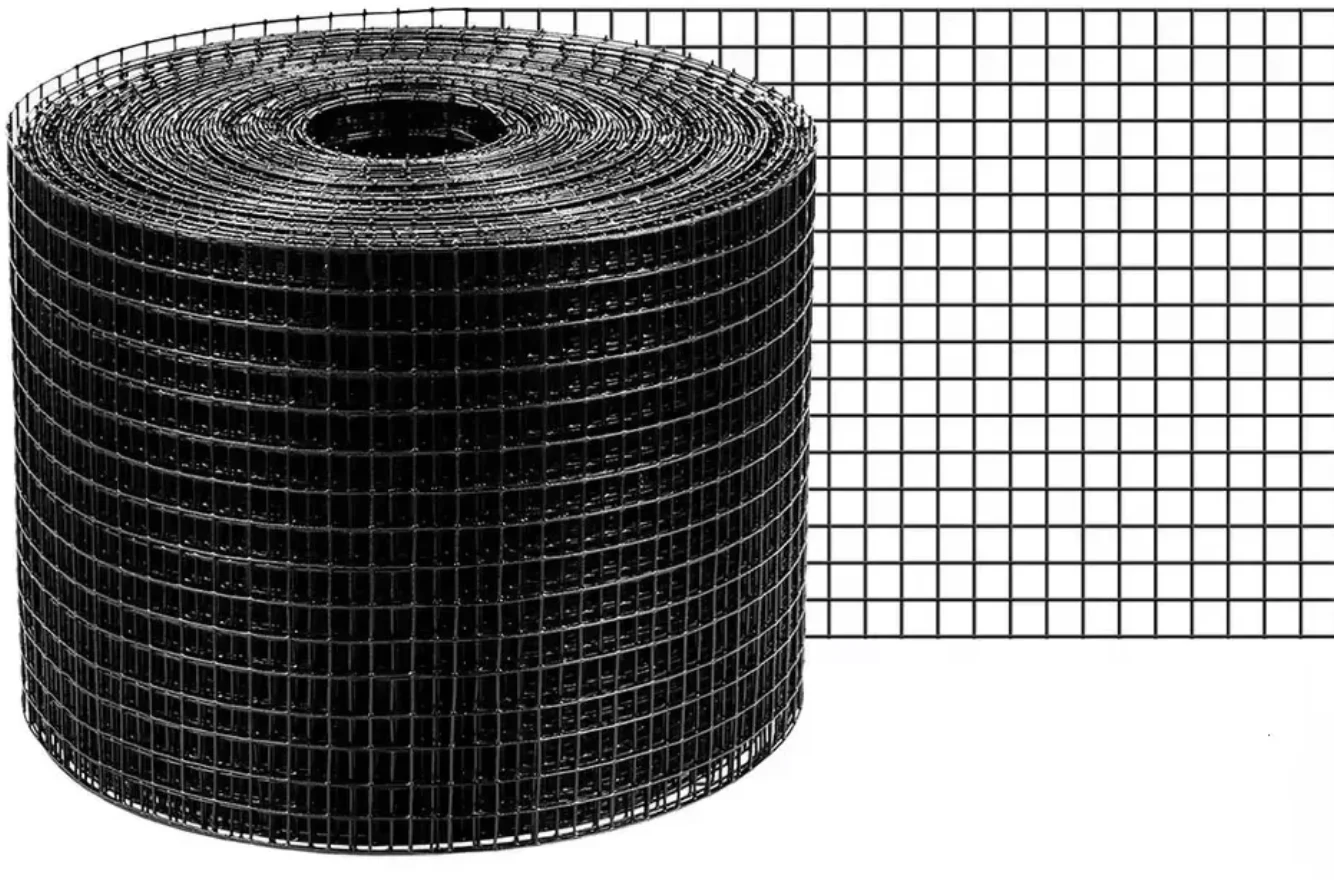
• Electro-galvanizing is the primary process for bird mesh. We use a low-voltage electrolysis method to deposit a 10-15μm zinc layer on the mesh surface, which effectively isolates air and moisture, preventing rust in humid balcony environments.
• Post-galvanizing passivation optimizes bird mesh durability. We treat the galvanized mesh with a trivalent chromium passivator, forming a colorless protective film that resists white rust during storage and extends the outdoor service life to 3-5 years.
• Galvanizing combines with UV resistance for bird mesh. After galvanizing, we apply a UV-resistant coating, making the mesh suitable for sunny balconies without zinc layer degradation caused by ultraviolet radiation.
• Pre-treatment ensures galvanizing quality of balcony spikes pigeon. We degrease and derust the spike substrates (high-carbon steel) with pickling, ensuring the surface roughness is within 0.8μm for firm zinc adhesion.
• Hot-dip galvanizing forms a thick protective layer for balcony spikes pigeon. The spikes are immersed in 460℃ molten zinc for 30 seconds, forming a 60-80μm zinc layer that withstands 1000 hours of salt spray testing without rusting.
• Cooling and finishing perfect balcony spikes pigeon galvanizing. The galvanized spikes are cooled at a constant rate of 10℃/min to avoid zinc layer cracking, and the spike tips are polished to retain their bird-repelling function.
• 
• Residential balcony-specific balcony pigeon spikes use matte galvanizing. The zinc layer has a low-gloss finish that blends with balcony railings, avoiding light reflection while maintaining rust resistance.
• Coastal-area balcony pigeon spikes adopt enhanced galvanizing. We increase the zinc layer thickness to 90μm and add a fluorocarbon topcoat, resisting chloride ion erosion in sea breeze to prevent rust for 5-8 years.
• Commercial balcony balcony pigeon spikes feature galvanizing with anti-corrosion oil. The spike joints are coated with anti-corrosion oil after galvanizing, preventing rust from weak points and adapting to high-traffic commercial environments.
No, the galvanizing process maintains bird mesh flexibility. The 10-15μm electro-galvanized layer is thin and ductile, allowing the mesh to be bent into different shapes to fit curved balcony edges. Practical tests show the galvanized bird mesh can be folded 100 times without zinc layer peeling.
Maintenance is simple: wipe the balcony spikes pigeon with a dry cloth every 3 months to remove dust; rinse with clean water if exposed to bird feces (which is slightly acidic). Avoid using sharp tools to scrape the surface, as this may damage the galvanizing layer.
Yes, we adhere to green production standards. The hot-dip galvanizing uses lead-free zinc ingots; the pickling waste water is treated with a neutralization system, and the heavy metal content is lower than 0.5mg/L, meeting GB 25469-2010 discharge requirements.
The difference is significant: galvanized bird mesh has an outdoor service life of 3-5 years, while non-galvanized mesh rusts and breaks after 6-12 months. In rainy southern areas, galvanized bird mesh can even maintain integrity for 6 years.
Yes, we provide post-galvanizing color coating. After galvanizing, the balcony spikes pigeon can be sprayed with electrostatic powder in colors such as black, gray, and white, matching different balcony decoration styles. The color coating has strong adhesion and does not fade for 2-3 years.
Mar 13, 26
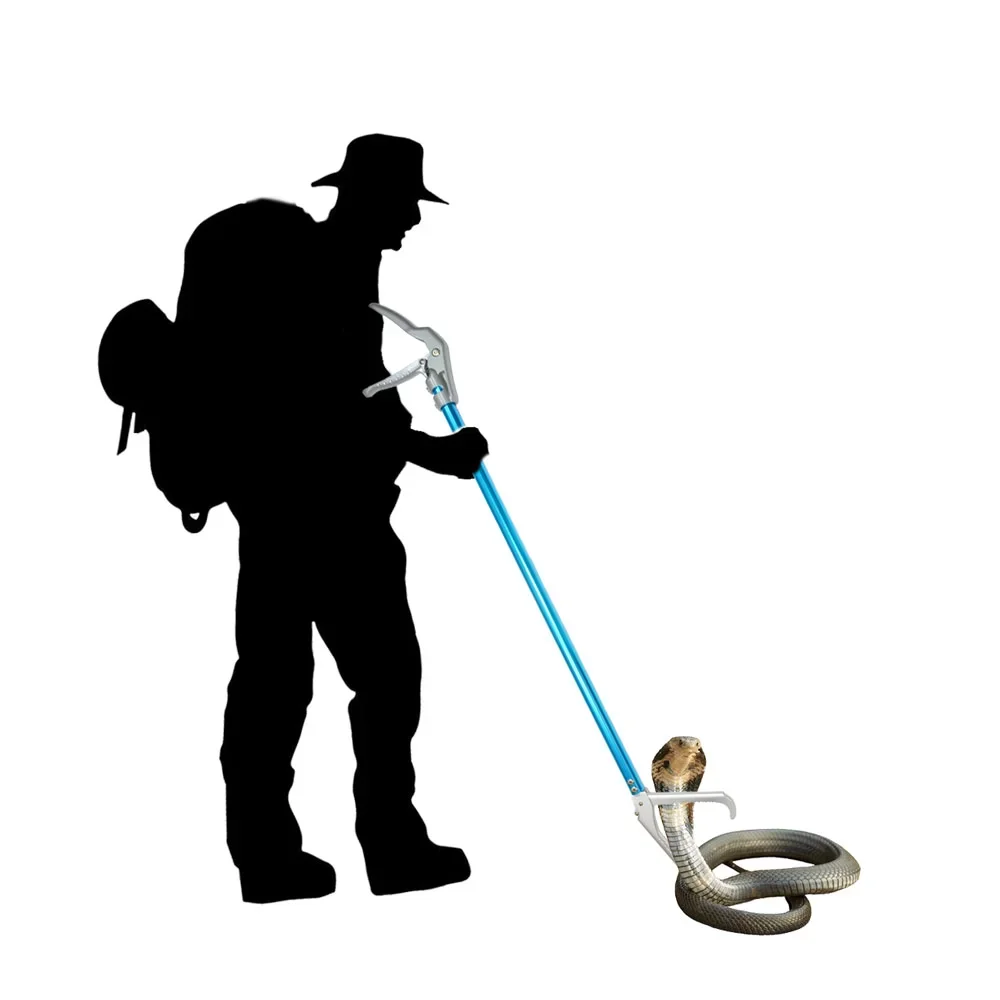
Professional Snake Tongs For Sale: Essential Snake Catching Tool for Safe Reptile Handling
Handling snakes safely requires the right tools and proper techniques.
Mar 06, 26
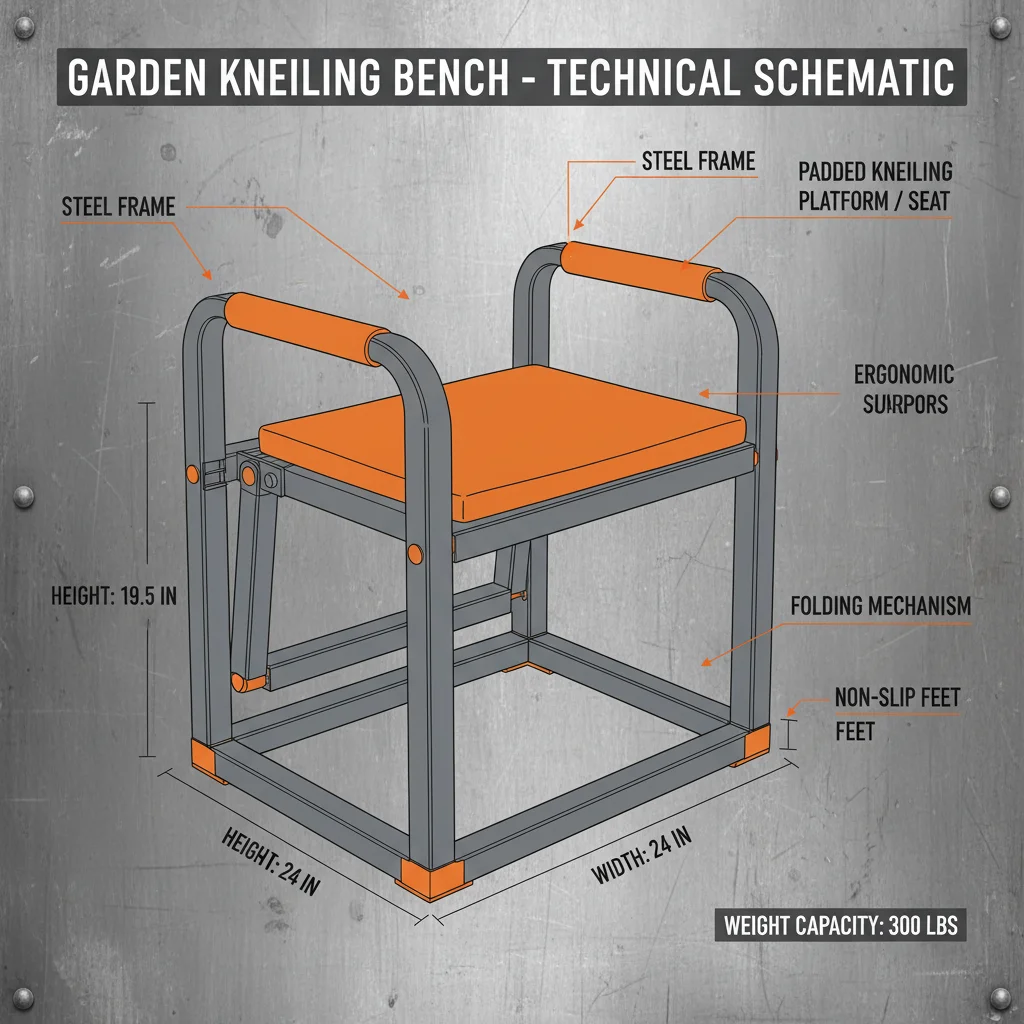
Comprehensive Guide to Choosing the Perfect Garden Bench for Kneeling
Feb 27, 26
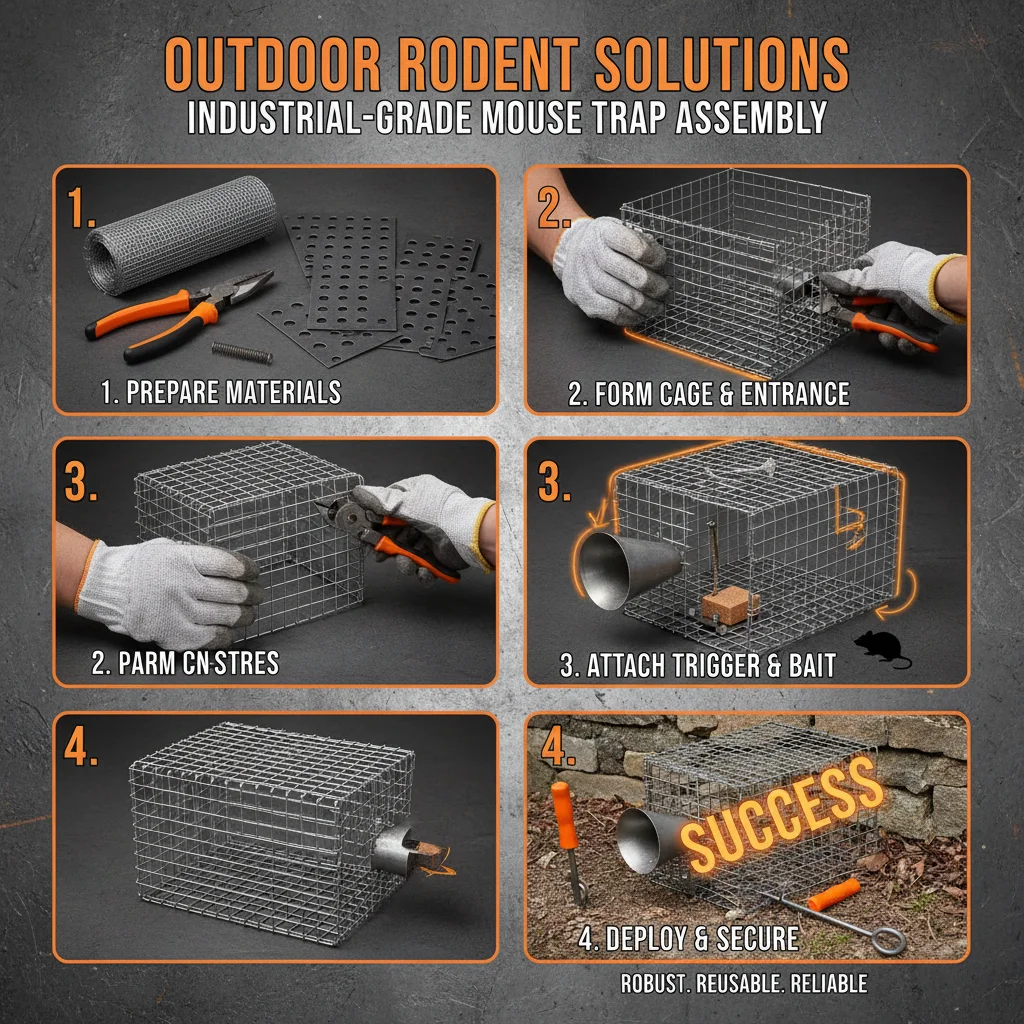
Effective Outdoor Mouse Traps for Property Protection and Pest Control
Feb 03, 26
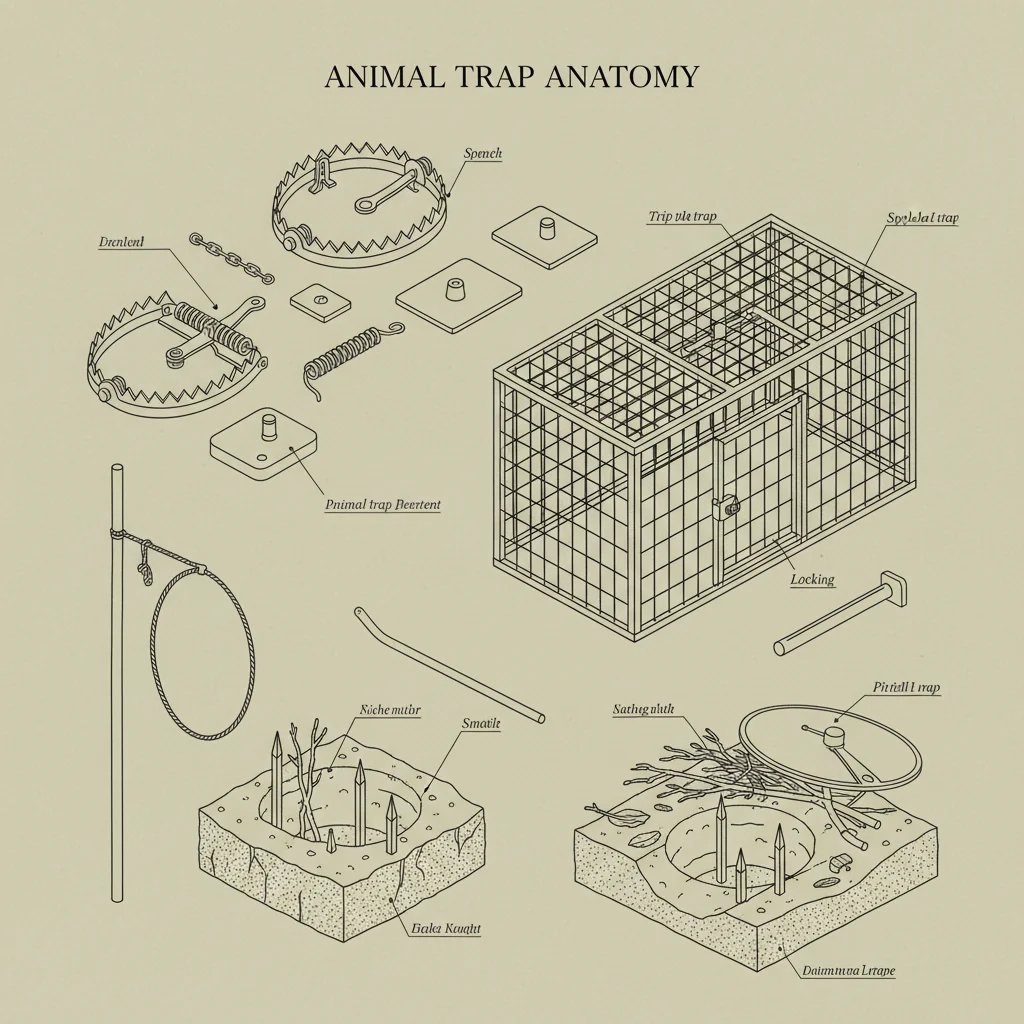
Exploring the Landscape of Types of Animal Traps Design and Material Choices